Whirinaki Forest
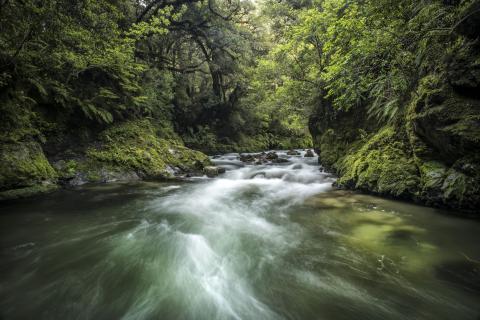
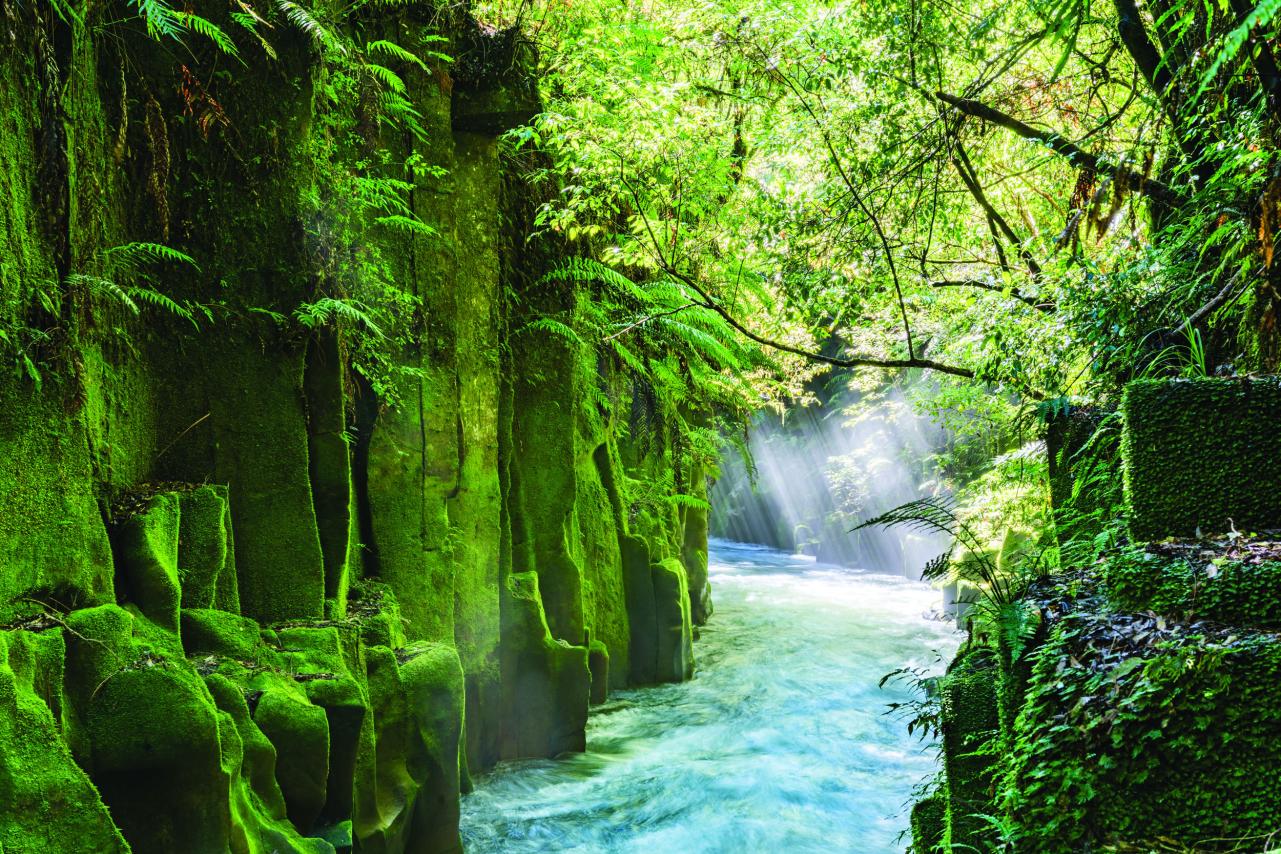
Amazingly tall trees, rushing rivers, a wide variety of habitats and a fascinating past combine to create Whirinaki Forest Park. This was one of New Zealand's most famous conservation battlegrounds, where people actively fought to save a magnificent native forest.
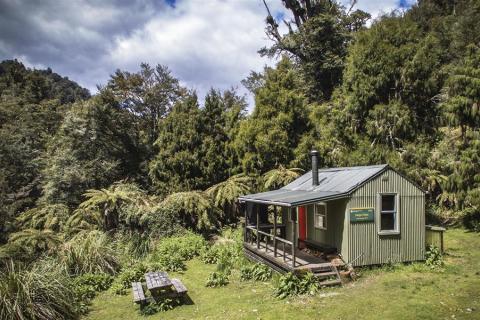
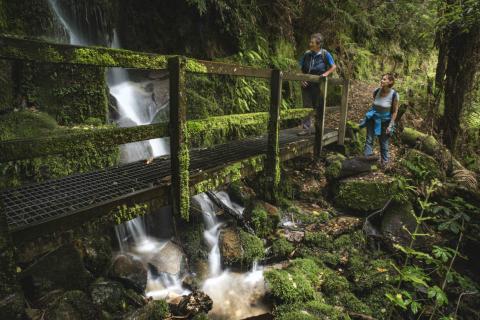
Today Whirinaki's beauty is protected for everyone to enjoy through a comprehensive network of walks, tracks and huts and a range of opportunities for visitors. Opportunities for tramping range from overnight trips to five or more days. These vary widely in terms of the experience and level of fitness required. Superb short walks close to Minginui vary from a few minutes to a full day. These provide an easily accessible insight to the forest.
More information is available at the Whakatane Information Centre or the Murupara DOC Office. Or check the Department of Conservation website; www.doc.govt.nz - East Coast walks section for a full description of walks.
Whirinaki Forest Park forms a boundary between the exotic Kaingaroa pine plantations to the west and Te Urewera National Park to the east. The Forest Park stretches over 55,000ha from near Murupara in the north to the Napier-Taupo highway in the south. The park is about 100km south east of Rotorua past Murupara on State Highway 38.
Whirinaki is located between the central volcanic plateau and mountain axis of the North Island. To the west is the Kaingaroa plateau, while east and south are the Huiarau-Ikawhenua ranges, bounded by the Whaeo and Te Whaiti faults. The park therefore contains elements of volcanic and non-volcanic landforms and soils and the plant and animal life reflects these differences.
The land is still and peaceful now but this belies the violent origins of the Kaingaroa Plateau and Whirinaki basin. About 1800 years ago the Taupo eruption ejected a great wave of pumice, destroying all in it's path and creating a new land. A lot of material also fell from the air, cloaking the greywacke ridges to the east.
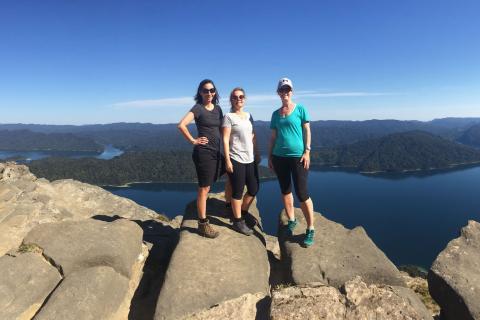
The northern part of the forest, west of the Whirinaki River, is relatively low country which rises from 360m to 730m. There are beautiful river flats and rolling, tree covered hills and gullies. These are a marked contrast to the steep rugged greywacke country in the south which attains 1365m at Maungataniwha.
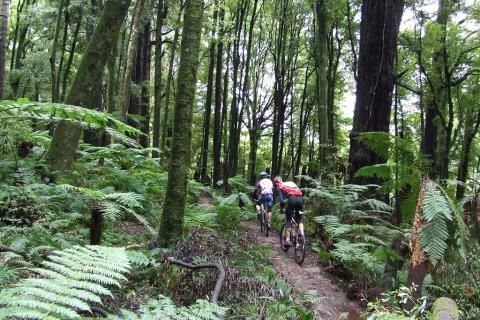
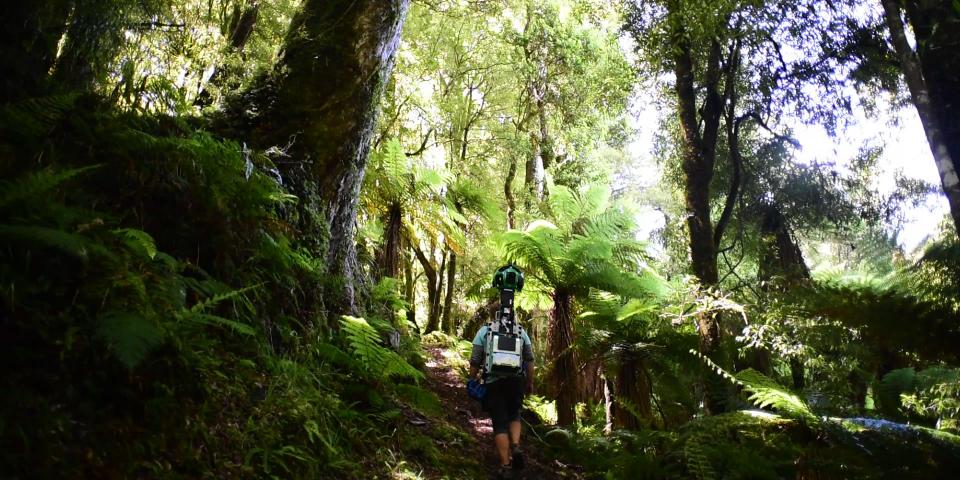
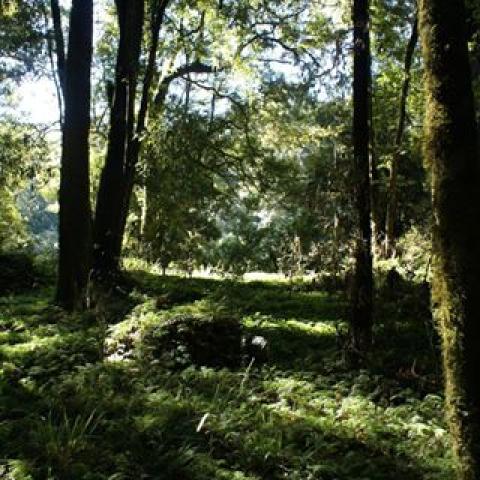
Whirinaki is best known for its awe-inspiring trees. The forest is dominated by towering examples of Kahikatea, Totara, Matai, Rimu, Miro and much Tawa. There is also Monoao and Manuka shrubland on the frost flats; Herbfield, grassland and shrubland on riverbeds and in forest clearings; wetland vegetation; and sub-alpine shrubland on the high ridges and peaks.
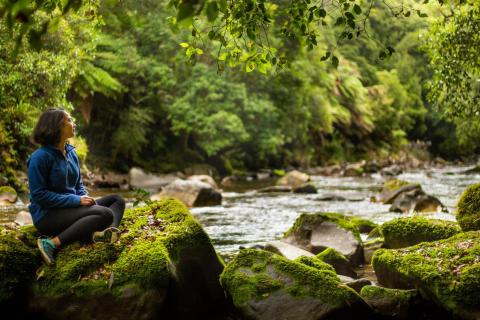
The park's birdlife is abundant and diverse. The dense podocarps support high numbers of rare forest birds especially the North Island Kaka, red and yellow crowned Kakariki and Kereru. For those after trout, the Whirinaki, Rangitaiki, and Whaeo Rivers have excellent fishing.
Camping
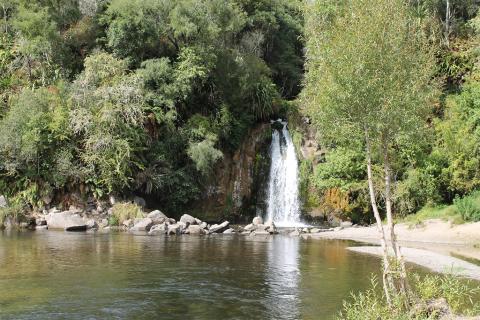
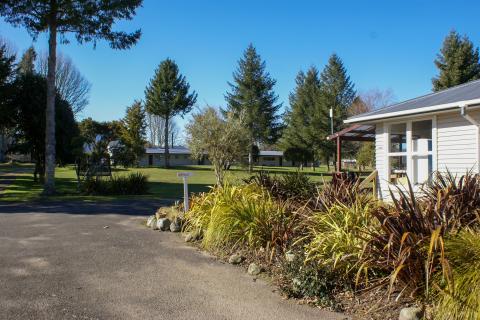
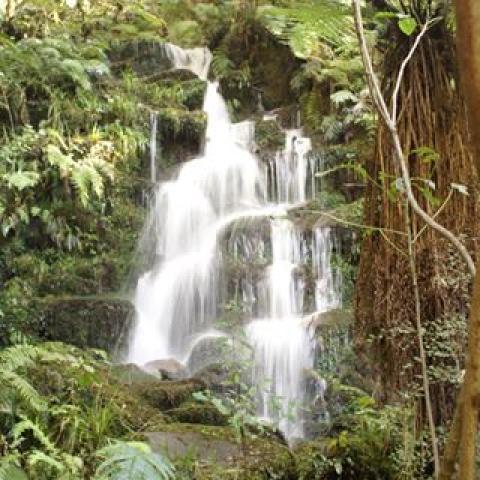
There are several attractive, easily accessible camping areas, including Mangamate Waterfall, Sanctuary car-park, Okahu camping area, Mid Okahu road-end. These offer basic facilities- - river water, pit toilets, and some barbecue areas.
Tramping
Opportunities for tramping range from overnight trips to five or more days. These vary widely in terms of experience and level of fitness required. Hut tickets are required and are available from any Department of Conservation office.
Walking
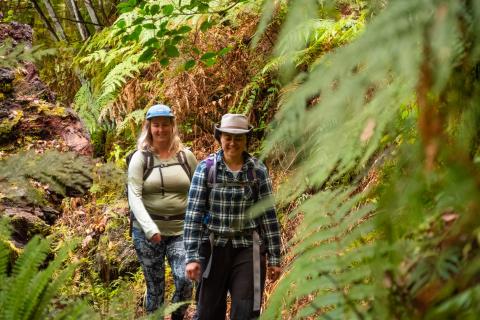
There are a number of superb short walks close to Minginui varying from one hour to a full day. These are aimed at giving visitors an insight to the forest without taking too much time or requiring special skills.
More Information
www.doc.govt.nz
Maps and hut permits are available at the Whakatane Information Centre and Murupara Visitor Centre (Rangitakiki Area DOC Office).