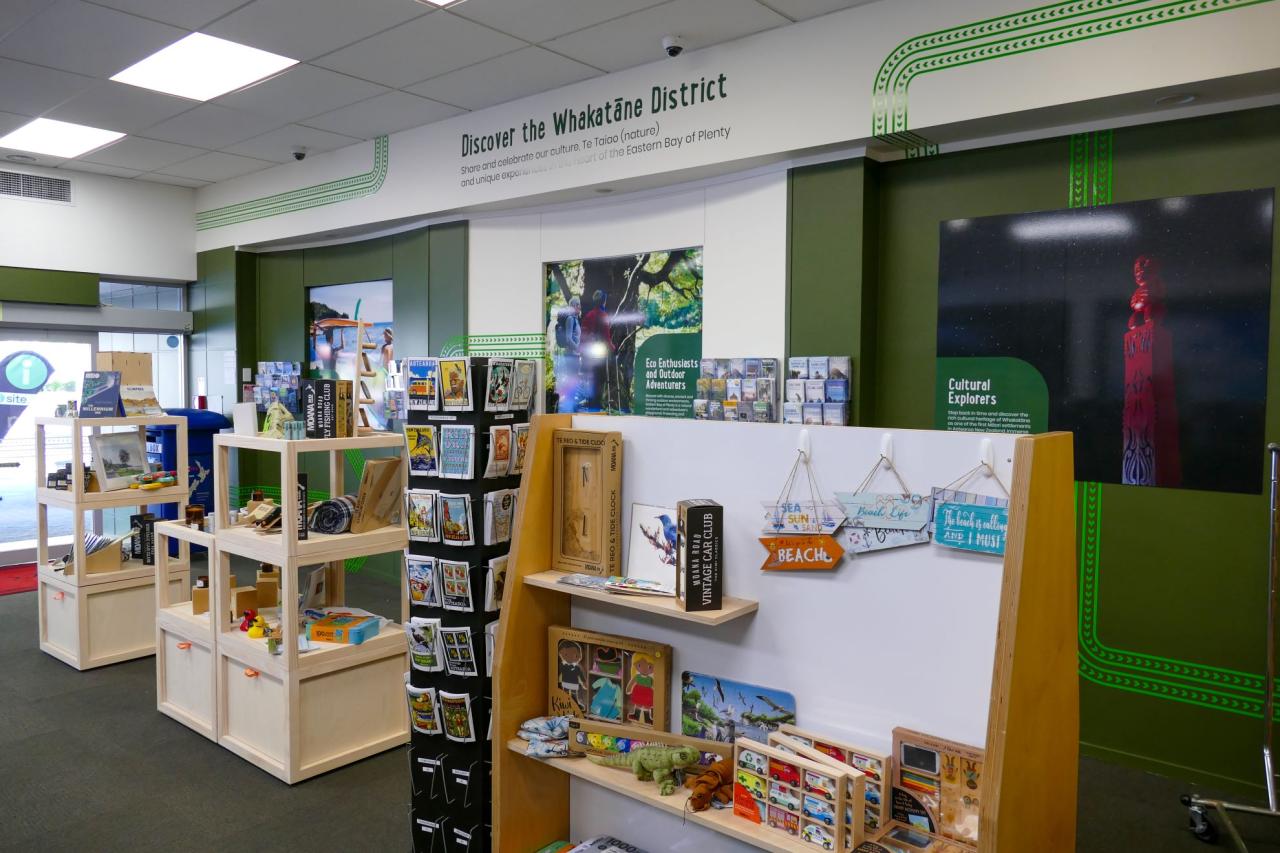
Whakatane District
The Whakatane District in the Eastern Bay of Plenty is one of the most diversely beautiful areas in New Zealand. Sandy beaches are predominant along the 54 kilometres of coastline that stretches from Otamarakau in the west to Ohiwa in the east. Central areas include fertile lowlands and farming areas on the Rangitaiki Plains through to Murupara. Te Urewera National Park in the south, which makes 41% of the district, is protected native forest and is home to a rich array of flora and fauna. The total area of the district covers 433,000ha or 4,442km2.
The climate is superb and many people are choosing to relocate, buy or set up business in a place where life can be enjoyed. Whakatane records the highest temperature in New Zealand about 55 days of each year. Average annual sunshine is 2332 hours with an average annual rainfall of 1207mm.
The district has a population of 32,814. The largest urban area Whakatane, with a population of 15,024, is the major service and administrative centre for the Eastern Bay of Plenty. Nearby Ohope has a population of 2,760. Other settlements include Murupara (1,959), Edgecumbe (1,668), Taneatua (753), Matata (666), Waimana (654), Te Teko (630), and remaining rural areas (8,706).
The district is steeped in history and culture. The Mataatua canoe landed at Whakatane and pa sites from early settlement are identifiable along the coast. 40% of the population is Maori and their culture and language is strong and vibrant. Predominant Iwi in the region include Ngati Awa, Tuhoe, and Te Whakatohea.
The region is rich in forestry resources and has some of the country's best dairy farms, along with a large dairy processing plant located at Edgecumbe. The fertile soil of the district supports a variety of horticultural activities including market gardens, apple and kiwifruit orchards and flower growing. Bottling water for export is an emerging industry.
The district is serviced by excellent air, rail and road transport links. Whakatane is less than 100 kilometres from two large cities, Rotorua and Tauranga. It is less than 4 hours drive from Auckland and Hawkes Bay and 2.5 hours from Gisborne, Hamilton and Taupo. This puts Whakatane within relatively easy reach of about 50% of New Zealand's population.
The district has a strong forestry industry with up to a third of the area planted in exotic forests with an average age of 18 years. The pulp and paper mills at Whakatane and Kawerau are big employers in the region. The close proximity of the Port of Tauranga, less than 100kms away, is an important factor.
The Whakatane District has long been a popular holiday destination and tourism is an important growth industry. The population in parts of the district trebles in summer. White Island, an active volcano offshore is a world-renowned tourism attraction. Dolphin watching, deep-sea fishing, trout fishing, walking and tramping make the district an attractive destination for domestic and international tourists.
For more information about Whakatane and the Eastern Bay of Plenty visit www.liveintheeasternbay.co.nz